

detail
home
|
detail

detail
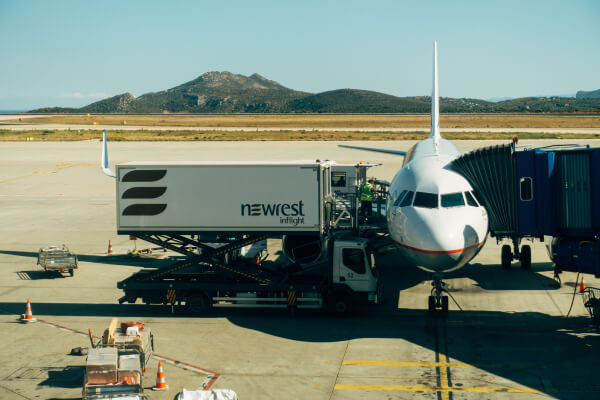
International logistics transportation costs are influenced by a variety of complex factors, which include not only the direct costs of the transportation links but also macro variables such as the global economy, politics and environment. The following is a detailed analysis from four dimensions: basic costs, market supply and demand, macro environment, policies and additional services:
I. Basic Cost Factors
Mode of transportation and distance
Transportation mode: The costs of different transportation modes vary significantly (ranked by unit cost from high to low: air transportation > international express delivery > railway transportation > road transportation > sea transportation). Case: The sea freight cost for a 20-foot container from Shanghai, China to Los Angeles, USA is approximately $2,000 to $4,000, while the air freight cost can reach $20,000 to $30,000 (for a distance of about 10,500 kilometers). Transportation distance: The longer the distance, the higher the costs of fuel, labor, equipment wear and tear, etc. (For example, the China-Europe Railway Express is about 30% shorter than sea transportation, but the cost per kilometer of railway is higher.)
2. Goods attributes
Weight and volume: Logistics enterprises usually charge by weight tons (W) or bulk tons (M) (for example, in sea transportation, 1 cubic meter = 1 weight ton, and the higher one is charged).
Type and value of goods: Dangerous goods (such as lithium batteries, chemicals) require special packaging and transportation permits, with costs increasing by 20-50%. High-value goods (such as luxury items and precision instruments) may need to purchase insurance, with the premium accounting for 0.3-1% of the goods' value. Packaging requirements: Fragile items need reinforced packaging (such as wooden crates + foam filling), increasing the cost by 5-15%. Oversized goods (such as mechanical equipment) require special loading and unloading equipment, resulting in additional costs.
3. Fuel price
Fuel costs account for 30 to 50% of the operating costs of transportation enterprises (for example, the average daily fuel consumption of ocean-going vessels is about 30 tons. For every 100 US dollars increase in oil prices per ton, the daily cost of a single vessel increases by 3,000 US dollars). Fluctuation impact: In 2022, the international oil price soared to $120 per barrel, causing the global ocean surcharge (BAF) to increase by an average of 40%. After the oil price dropped to $80 per barrel in 2023, the surcharge decreased by approximately 25%.
Ii. Market Supply and Demand and transportation Capacity Factors
1. Supply and demand relationship of air routes
Peak and off-peak seasons: In traditional peak seasons (such as Black Friday in Europe and America, and before the Chinese Spring Festival), capacity is tight and freight rates rise (for example, in 2024, the peak season freight rate on the West Coast of the United States is 50-80% higher than that in the off-peak season). During the off-season, shipping companies may control capacity and maintain freight rates by "empty flights" (cancelling some voyages). Degree of competition on routes: On popular routes (such as China-Us and China-Europe), there are many shipping companies, the competition is fierce, and the price transparency is high (for example, the fluctuation range of freight rates on China-Us routes is usually smaller than that on less popular routes). For less popular routes (such as landlocked African countries), due to limited capacity, there may be "monopolistic pricing", with freight premium reaching 30% to 50%.
2. Transport capacity supply and ship costs
The large-scale development of ships: The unit cost of 20,000 TEU class container ships is 20-30% lower than that of 10,000 TEU ships, but they are only suitable for high-volume cargo routes (such as the Asia-Europe route). New ship delivery and old ship dismantling: The concentrated delivery of new ships (such as the expected global addition of 500 container ships in 2025) may lead to overcapacity and a decline in freight rates. Environmental protection regulations (such as the new sulfur emission regulations of IMO 2020) force the dismantling of old ships, pushing up freight rates in the short term.
Iii. Macro Environment and Policy Factors
Geopolitics and trade barriers
Regional conflicts: The Russia-Ukraine conflict in 2022 led to detours in European road transportation, with freight rates from Eastern Europe to Western Europe rising by 30%. During the Red Sea crisis, the detour around the Cape of Good Hope increased the Asia-Europe route by 40% and the freight rate soared by 200%. Trade policy: Tariffs and anti-dumping duties: For instance, when the United States imposes a 25% tariff on China, some enterprises choose "transshipment through Southeast Asia", which increases logistics costs by 15-20%. Cross-border e-commerce policy: After the EU implemented IOSS (One-Stop Declaration System), the efficiency of small package customs clearance has improved, but the compliance cost has increased by 5-10%.
2. Environmental protection regulations and carbon costs
The new regulations of the International Maritime Organization (IMO) : The EEXI (Energy Efficiency Index for Existing Ships) to be implemented in 2023 require shipping companies to reduce carbon emissions. Old ships need to be equipped with desulfurization towers or use more expensive low-sulfur fuel, increasing costs by 8-12%. The "carbon tariff" (CBAM) to be imposed in 2026 May increase the cost of high-carbon emission transportation methods, such as roads, by another 5 to 10%. Regional environmental protection policies: For instance, Germany levies a "carbon emission fee" of 10 euros per TEU on ships entering the Port of Hamburg, which drives up the cost of arrival at the port.
3. Exchange rate fluctuations
International logistics is mostly settled in US dollars. Fluctuations in the exchange rate of the RMB against the US dollar directly affect the costs for Chinese shippers (for example, if the exchange rate depreciates from 6.5 to 7.0, an additional 7.7% RMB needs to be paid for the same freight).
Iv. Additional Services and Special Requirements
Customs clearance and insurance
The complexity of customs clearance: The customs clearance procedures in countries like India and Brazil are cumbersome, and an agency service fee (accounting for 5-10% of the freight) needs to be paid. If the documents are incomplete, a port detention fee (50-200 US dollars per container per day) may be incurred. Insurance cost: The "All Risks" rate for high-value goods is approximately 0.5% to 1%, and for fragile items, an additional 30% May be charged.
2. Timeliness and Special Services
Express transportation: Air "express service" is 30-50% more expensive than standard service, and sea "express" (such as West Coast Express) is 20-30% more expensive than regular routes. Temperature control and cold chain: The rental rate of refrigerated containers (Reefer) is 50-80% higher than that of ordinary containers, and a fuel surcharge must be paid (for example, when transporting frozen food, fuel consumption increases by 20%).
3. Ports and Infrastructure
Port congestion: When the Port of Los Angeles was congested in 2024, the container detention fee was as high as $100 per container per day, and the delay led to factory shutdowns and losses (about $5,000 per hour). Inland transportation connection: In some African countries, there is a lack of railways between ports and the interior, and they have to rely on road transportation for transfer, which increases the cost by 20-40% (for example, the cost of road transportation from Lagos Port in Nigeria to Kano accounts for 60% of the entire journey).
The essence of international logistics costs is the result of a "dynamic balance between supply and demand" : short-term fluctuations: dominated by seasonal demand, unexpected events (such as strikes, natural disasters), and fuel prices; Long-term trends: Influenced by the reconfiguration of the global supply chain (such as nearshore outsourcing and regionalized trade), the upgrading of environmental protection technologies (such as methanol carriers and hydrogen fuel trucks), and digital transformation (such as blockchain customs clearance and AI path optimization).