





TrackParcel

Separate multiple tracking numbers with a space or comma. Advanced Tracking

Demo Image

6+

We have more than years of experience

About Us

Digital & Trusted Transport Company

DHL Group is a global leader in logistics, connecting people and markets worldwide. It operates in over 220 countries and territories, offering comprehensive logistics solutions.

Optimize logistics processes by leveraging cutting-edge technologies, such as integrating advanced software solutions, real-time tracking systems, and powerful data analysis capabilities. And through these technologies, ensure the efficient transportation of goods from the starting point to the destination. Customers can also easily access and manage the transportation of goods through a friendly digital platform, and gain valuable insights and control over supply chain operations.

1. Committed to providing reliable transportation services to ensure that goods are delivered on time and safely.

2. Through technical means and other means, enable customers to clearly understand information such as the transportation status of the goods, and enhance customers' trust in the transportation process

3. Focusing on customer satisfaction, we offer personalized services and excellent customer support, providing 24/7 service support to solve customer problems at any time


Shape Shape

Our Best Services

Exceeding expectations and setting new industry benchmarks, service is not merely about delivering products; it is also a journey of creating value. We always take "customer success" as the core, integrating professional depth with humanistic warmth to create an outstanding service system covering the entire cycle and all scenarios.

International Shipping

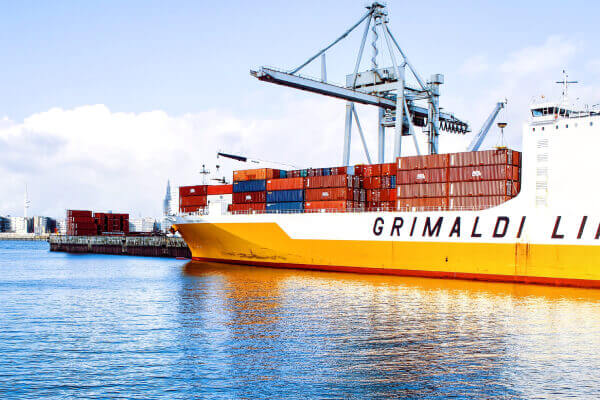
International shipping refers to the transportation of goods and passengers by sea across national boundaries. It is one of the main modes of transportation in international trade and undertakes approximately 80% of the global trade volume.It is the "blood vessel" of the global economy, and its development directly affects trade costs, supply chain security and environmental sustainability. In the future, under the combined influence of technological innovation, policy drive and market demand, the industry will transform towards green, intelligent and resilient directions.

Read More

Package Protection

Parcel packaging is an important link in protecting goods, facilitating transportation and storage, and promoting sales. Its design needs to take into account functionality, environmental protection, cost and user experience. It is shifting from a single orientation of "protection function" to a diversified upgrade of "greenness, intelligence and experience". 

Read More

Cargo Support

"Cargo support" can usually be interpreted from dimensions such as logistics service support, policy and resource guarantee, and technical and equipment assistance. The ultimate goal of "cargo support" is to ensure that goods reach their destination safely, efficiently and at low cost from the starting point, while also taking into account sustainability and user experience. Its specific forms are constantly evolving in line with industry demands, technological development and policy guidance. 

Read More

Delivery On Time

"On-time delivery" refers to the submission of work results or information carriers that meet the requirements to the demand side within the agreed time frame. It is a key link in project management and collaboration processes to ensure efficiency and trust. It also includes three elements: core elements, importance, and implementation points. Its essence is to achieve a balance between time and quality through scientific planning, efficient collaboration, and risk control. 

Read More

Logistic Work

Logistics work refers to the process of planning, implementing and controlling the efficient and low-cost flow and storage of goods, services and related information from the supply location to the consumption location in order to meet customer needs. It covers multiple links and fields, including core links, occupational types, key skills, challenges and trends, etc. It also serves as a bridge connecting production and consumption, requiring not only solid operational skills and process management experience, but also keeping up with technological changes and industry trends. 

Read More

24x7 Support

24×7 service support is to provide customers with uninterrupted service support around the clock (24 hours a day, 7 days a week), ensuring that customers can receive timely assistance whenever they encounter problems. The core goal is to enhance customer satisfaction and reduce the risk of business interruption through immediate response. It is also an important strategy for modern enterprises to improve service quality.

Read More
Why Choose Us

We Offer Quick & Better Solution For Transport

The essence of "We Offer Quick & Better Solutions for Transport" is to make a comprehensive layout by addressing multiple dimensions such as low efficiency, insufficient transparency and high cost in traditional transportation through technological innovation, resource integration and service upgrade, highlighting its core advantages and value proposition. For enterprises, this is not merely a marketing slogan; it needs to be transformed into a practical operation system - from order acceptance to delivery completion, every link should reflect "quick response" and "quality first", ultimately establishing customers' long-term trust in the brand.

International Shipping
Package Protection
Home Delivery
Delivery On Time
Contact Us
Demo Image

5692+

Product Delivery

488+

Total Branch

4098+

Happy Clients

576+

Owned Vehicles

Latest News and Blog

Real-time reports on the latest developments in air logistics

Demo Image 04 Jun
  • SCGLogistics
  • 515

Air cargo may become costly during the pandemic


During influenza (such as a flu pandemic), the cost of air cargo transportation may rise significantly. This phenomenon is driven by multiple factors including the imbalance between supply and demand, the increase in operating costs, and policy restrictions. The following is an analysis based on specific causes, impacts and response strategies:

I. The core reasons for the increase in costs

The supply of transportation capacity has decreased

Flight reduction

During the flu season, airlines may cut passenger flights due to a decrease in passengers, and the belly holds of passenger aircraft are an important source of capacity for air cargo (about 50% of global air cargo relies on the belly holds of passenger aircraft). For instance, during the COVID-19 pandemic in 2020, the global passenger flight volume plummeted by 60%, leading to a sharp drop in belly cargo capacity and an expansion of the capacity gap for all-cargo aircraft.

Shortage of crew members

The epidemic has led to the infection or quarantine of pilots, flight attendants and other personnel, forcing airlines to further reduce flight frequencies and exacerbating the tight capacity.

2. Demand surges

Transportation of medical supplies

The demand for medical supplies such as influenza vaccines, antiviral drugs, masks and protective suits has seen explosive growth, occupying a large amount of air transport capacity. For instance, in 2020, the global air freight volume of medical supplies increased by 21% year-on-year, far exceeding the demand for ordinary cargo transportation.

E-commerce shopping transfer

The restrictions on offline shopping have led to a surge in online retail orders (for instance, Amazon's sales increased by 38% in 2020), driving up the demand for air cargo of non-medical supplies such as consumer goods and electronic products.

3. Increased operating costs

Cost of epidemic prevention measures

Airlines need to provide protective equipment for crew members and disinfect the cargo holds. Some routes require the goods to be left to stand for disinfection, which increases operation time and labor costs.

Fuel price fluctuation

Geopolitical conflicts (such as the flu season combined with policy adjustments in oil-exporting countries) may push up fuel prices, and the fuel cost for air cargo usually accounts for 30% to 40%.

Rising compliance costs

Countries have implemented policies such as border control and nucleic acid testing, which have extended the customs clearance process for goods and may result in additional expenses such as detention fees and storage fees.

4. Supply chain reconfiguration

Regionalized transportation demand

To reduce supply chain risks, enterprises have turned to "nearshore outsourcing" or "local production", but some key materials still need to be transported across regions, leading to an increase in short-distance and high-frequency transportation demands and pushing up the unit price of air freight.

Emergency inventory requirements:

Enterprises have increased their safety stocks, stockpiled raw materials and finished products, and further crowded out air cargo space.

Ii. Specific Impact Manifestations

The freight rate has risen sharply

Spot Rate

During the peak flu season, air cargo prices may increase by 50% to 200% compared to usual. For instance, in 2020, the unit price of air cargo from China to Europe soared from 1.5 US dollars per kilogram to 5-8 US dollars per kilogram.

Long-term Contract Rate

Airlines may renegotiate contracts with major clients to raise the annual freight rate benchmark, especially for high-value and time-sensitive goods such as electronic products and fresh produce.

2. Tight cabin space and delayed delivery time

Increased difficulty in booking shipping space:

The priority transportation of medical supplies has led to a shortage of shipping space for general cargo. Enterprises have to reserve shipping space several weeks in advance and even accept "sharing shipping space" or transfer plans.

Unstable transportation timeliness:

Flight cancellations and congestion at transfer airports (such as Hong Kong and Frankfurt airports, which have been delayed due to cargo backlog) may extend the delivery cycle by 3 to 7 days.

3. Changes in industry structure

The proportion of all-cargo aircraft capacity has increased:

During the pandemic, the demand for all-cargo aircraft soared, and airlines accelerated the conversion of passenger aircraft to freighters (for instance, orders for converting Boeing 737 passenger aircraft to freighters increased by 45% from 2020 to 2022).

Intensified competition in emerging markets

Airlines from the Middle East and Southeast Asia are seizing a larger share of international cargo market by virtue of their geographical advantages (such as Emirates' Dubai transit hub).

Iii. Enterprise Response Strategies

Supply chain resilience management

Diversified transportation channels:

Plan in advance multimodal transport solutions such as "air + sea" and "railway + road", for instance, transfer non-urgent goods to the China-Europe Railway Express (with a delivery time of about 12 to 18 days and a cost 70% lower than air transport).

Case: During the flu season, a certain electronic product manufacturer shifted 30% of its European orders from air freight to "sea freight + local European trucks", saving 40% of logistics costs.

Optimize inventory strategy

Adopt the "risk-sharing" model to share inventory data with suppliers and avoid duplicate hoarding.

Utilize AI to predict demand and reduce the proportion of safety stock (such as increasing the inventory turnover rate from 4 times per year to 6 times per year).

2. Transport capacity resources are locked in advance

Sign a long-term agreement

Sign a 1 to 3-year charter agreement with an airline or freight forwarder to lock in the freight rate and cabin space (for example, a cross-border e-commerce company signed an annual charter agreement with Cathay Pacific, with the freight rate 25% lower than the scheduled price).

Bidding through digital platforms:

Compare prices in real time through freight platforms such as Freightos and CargoMetrics, and dynamically adjust booking strategies.

3. Cost Transfer and Insurance coverage

Adjust the pricing strategy:

Pass on part of the logistics costs to customers (such as charging a "pandemic surcharge" for urgent orders), or offset the cost pressure by raising the product prices.

Purchase freight insurance:

Insuring "All Risks" covers the risks of goods delay and damage, especially for high-value goods such as chips and luxury goods.

4. Policy and Compliance Adaptation

Pay attention to import and export policies:

Track the tariffs and quarantine requirements of various countries in real time (such as the CE certification of medical supplies in the European Union and the import license of the US FDA) to avoid customs clearance delays.

Utilize government subsidies:

Apply for logistics subsidies during the epidemic (such as China's financial support for international cargo routes and the transportation enterprise rescue funds under the CARES Act of the United States).

Iv. Future Trends and Long-Term Impacts

The digitalization of air cargo is accelerating

Blockchain technology is applied to electronic waybills (e-AWB) to shorten the document processing time (such as the "Single Electronic Window" program promoted by the International Air Transport Association (IATA)).

The pilot program of drone cargo transportation has been expanded to solve the transportation problems in remote areas (such as Zipline delivering medical supplies by drones in Africa).

The popularization of sustainable aviation fuel (SAF)

Under the pressure of environmental protection, airlines are gradually adopting SAF (made from waste oil, etc.), but its cost is 2 to 3 times higher than that of traditional fuel, which may drive up freight rates in the long term.

Regionalization and localization of the supply chain

Enterprises transferring more production capacity to their home regions or neighboring areas (such as "friendly shore outsourcing") and reducing their reliance on long-distance air cargo may lower the peak demand for capacity in the long term.

Summary

Public health events such as influenza have led to a significant increase in freight costs by impacting the supply of air transport capacity and boosting the demand for emergency transportation. Enterprises need to respond to short-term fluctuations through strategies such as supply chain resilience design, pre-occupation of transportation capacity resources, and cost-sharing mechanisms. At the same time, they should pay attention to the digitalization and regionalization trends of the industry to build a more resilient global logistics network. For consumers, the increase in costs may be indirectly reflected in the rise in commodity prices, but an efficient emergency logistics system will remain the key to ensuring people's livelihood and economic stability.
Read More
Demo Image 04 Jun
  • SCGLogistics
  • 541

New cargo shipment is open on the global market


The statement "The opening of new cargo transportation in the global market" can be interpreted from multiple dimensions. It may refer to the application and promotion of new transportation routes, models, technologies or policies on a global scale, aiming to enhance the efficiency of cargo circulation, reduce costs or expand market coverage. The following analysis is conducted from aspects such as emerging trends, core driving factors, typical cases and impacts:

I. Emerging Trends in Global Cargo Transportation at Present

The opening of new transportation routes

Commercialization of the Arctic shipping Route

With the melting of the Arctic ice, the navigation period of the Arctic shipping routes (such as the Northern Sea Route) has been extended, and the voyage has been shortened by about 30% compared with the traditional Suez/Panama route. For instance, in 2023, China and Russia jointly launched the "Arctic - Europe" container shipping route. The voyage was shortened by 12 days compared with that via the Suez Canal, and the cost was reduced by 20%.

Construction of Regional Economic Corridors

New China-Europe Railway Express routes: In 2024, a direct train service from Xi 'an to Budapest will be added, covering the inland countries of Central and Eastern Europe and promoting trade facilitation along the Belt and Road.

The logistics network of the African Continental Free Trade Area (AfCFTA) : The planned Pan-African railway and highway network is gradually being implemented, such as the Lagos-Kano Railway (Nigeria), which enhances the efficiency of land transportation of goods in West Africa.

2. Innovation in transportation mode

Multimodal transport integration

Integrate various transportation methods such as sea transportation, railway transportation, road transportation and air transportation, and achieve "door-to-door" transportation through a single contract. For instance, Maersk has launched the "Ocean+Rail" product, which transports goods from Asia to Europe by sea to Rotterdam and then distributes them to the European interior by rail. The delivery time is 5 days faster than pure sea transportation, and the cost is 40% lower than air transportation.

Unmanned aerial vehicle and unmanned ship transportation

Drones are used for the delivery of medical supplies in remote areas (such as Zipline's drone network in Rwanda, Africa, which delivers emergency medicines within 30 minutes).

Pilot unmanned container ship: The "AutoShip" unmanned ship, jointly developed by NYK and Mitsubishi Heavy Industries, is planned to be put into operation on the Asia-North America route in 2025, reducing labor costs and enhancing safety.

3. Digitalization and intelligence upgrade

Application of Blockchain Technology

The electronic bill of lading (eBL) based on blockchain realizes the electronicization of cross-border logistics documents and shortens the customs clearance time. For instance, the TradeLens platform, a collaboration between DBS Bank and Maersk, has reduced the customs clearance time from Singapore to the Netherlands from 48 hours to 4 hours.

AI intelligent scheduling

Huolala International Edition optimizes cross-border transportation routes through AI algorithms to reduce the rate of empty trips. Data shows that the empty running rate of its Southeast Asian routes has dropped from 35% to 22%, and the transportation cost has decreased by 18%.

4. Green transportation solutions

Popularization of new energy transportation vehicles

Electric vans: Amazon plans to put 100,000 Rivian electric vans into operation by 2030, covering major cities around the world for delivery.

Hydrogen-powered ships: The hydrogen-fueled container ship "Eagle Ace" developed by Kawasaki Heavy Industries of Japan has been put into trial operation, with carbon emissions reduced by 90%.

Carbon-neutral logistics services

DHL has launched the "GoGreen Plus" service. By purchasing carbon credits to offset transportation emissions, customers can obtain carbon neutrality certification.

Ii. Core Driving Factors

Technological innovation

5G and the Internet of Things (IoT) drive intelligent tracking (such as real-time monitoring of cargo temperature and location) and predictive maintenance (such as early warning of ship engine failures).

3D printing technology realizes "origin as market", reducing the need for long-distance transportation (such as local production of components).

Policies and regional cooperation

The Regional Comprehensive Economic Partnership (RCEP) simplifies customs clearance procedures among member states and promotes logistics integration in the Asia-Pacific region.

The EU's "Green Deal" mandates a 90% reduction in carbon emissions from the logistics industry by 2030, compelling enterprises to adopt clean transportation methods.

Changes in market demand

The explosive growth of cross-border e-commerce: In 2023, the global cross-border e-commerce transaction volume reached 2.3 trillion US dollars, driving a sharp increase in the demand for "door-to-door" small package logistics (for instance, Cainiao International Logistics covers over 200 countries and regions).

High-value goods transportation: Industries such as semiconductors and biomedicine rely on rapid transportation, giving rise to customized services of "air + cold chain" (for instance, FedEx's "temperature-controlled logistics" covers 40 hubs worldwide).

Supply chain resilience demand

Geopolitical conflicts (such as the Russia-Ukraine war) have prompted enterprises to diversify their transportation routes and avoid the risks of a single channel. For instance, in 2022, the volume of the West Corridor of the China-Europe Railway Express (via Kazakhstan) increased by 67% year-on-year, becoming the mainstream choice.

Iii. Typical Cases: Global Practices of New Transportation Models

The Arctic shipping Route: Jointly developed by China and Russia

Route: Qingdao Port, China → Bering Strait → Murmansk Port, Russia → Europe

Advantages: The voyage is approximately 4,000 nautical miles shorter than traditional routes, avoiding the geopolitical risks of the Malacca/Suez Canal.

Challenge: Ice-class ships are costly (30% more expensive than ordinary ships), and it is necessary for China and Russia to cooperate in building an icebreaker escort system.

2. Drone logistics: Zipline's African layout

Model: Establish drone hubs in countries such as Rwanda and Ghana, and deliver medical supplies (such as vaccines and blood) through fixed-wing drones.

Data: The single flight distance can reach 160 kilometers, the cost is 80% lower than that of road transportation, and over 2 million deliveries have been completed.

3. Hydrogen-powered ships: "Eagle Ace" of Kawasaki Heavy Industries, Japan

Technology: Equipped with a liquid hydrogen fuel engine, it has a load capacity of 1,200 tons and a range of approximately 3,000 nautical miles.

Significance: To provide a demonstration for the decarbonization of ocean transportation and plan to achieve large-scale operation by 2030.

Iv. Impact on the Global Market

1. Economic efficiency improvement

New routes and models reduce logistics costs and promote regional trade growth. For instance, the China-Europe Railway Express has reduced the logistics cost from China to Europe by 70% compared to air freight, and has driven a 25% increase in China's exports to Central and Eastern Europe (data from 2023).

Developing countries enhance the ability of small and medium-sized enterprises to participate in the global supply chain through digital logistics platforms (such as Loadshare in India), narrowing the "logistics gap".

2. Reshaping of the geo-economic landscape

The Arctic shipping routes may enhance the logistics hub status of Russia and Nordic countries and challenge the traditional advantages of Singapore and Rotterdam.

The construction of local logistics networks in Africa (such as the new Port of Lagos) is expected to increase the global trade share of the African continent from 2% to over 5%.

3. Environmental benefits have emerged

Green transportation models contribute to the global carbon reduction goals. According to the prediction of the International Energy Agency (IEA), new energy transportation vehicles could reduce carbon emissions in the logistics industry by 40% by 2030.

Recycling Packaging and shared logistics (such as Amazon 's Frustration-Free Packaging) reduce waste, and the global use rate of biodegradable packaging is expected to reach 35% by 2025.

4. Employment and Skills Transformation

Intelligent transportation has given rise to new occupations (such as drone operators and logistics data analysts), but it may replace traditional positions such as drivers and warehouse sorters (attention should be paid to labor retraining).

V. Challenges and Risks

Technical barrier

The airworthiness standards for unmanned aerial vehicles (UAVs) and unmanned ships have not yet been globally unified. Cross-national/regional operations need to coordinate regulations (such as the differences in UAV certification between the EU EASA and the US FAA).

Insufficient investment in infrastructure

The lack of modern ports and railways in regions such as Africa and Southeast Asia restricts the efficiency of new lines (for instance, the Lagos Port in Nigeria has a ship detention rate as high as 20% due to outdated equipment).

Cost pressure

The initial investment in new energy ships and unmanned aerial vehicles is high, making it difficult for small and medium-sized enterprises to afford (for example, the cost of hydrogen fuel ships is 2 to 3 times that of traditional ships).

Geopolitical risk

Militarized competition in the Arctic shipping routes (such as Russia's deployment of missile systems in the Arctic) may affect the security of commercial operations.

Vi. Future Outlook

Technological integration is accelerating.

Drones work in coordination with self-driving trucks (for example, in the "last mile" delivery, trucks transport to suburban hubs, and then drones complete door-to-door deliveries).

The metaverse platform is used for logistics planning (such as virtual simulation to optimize warehouse layout and simulation of multimodal transport routes).

Deepening of policy synergy

A globally unified unmanned aerial vehicle (UAV) logistics regulation is expected to be introduced (such as the "Global UAV Traffic Management System" promoted by the International Civil Aviation Organization (ICAO) of the United Nations).

Carbon tariff policies (such as the EU's CBAM) will mandate logistics enterprises to disclose their carbon emissions, driving the popularization of green technologies.

The rise of emerging markets

Southeast Asia, the Middle East and Africa have become experimental fields for logistics innovation (for example, Indonesia's "Global Marine Fulcrum" strategy promotes the upgrading of ports).

The opening of new cargo transportation models and routes is essentially the product of the interweaving of globalization and technological revolution. Its core lies in building a more resilient and sustainable global supply chain through efficiency improvement and cost optimization. Enterprises need to grasp technological trends (such as digitalization and greening), pay attention to regional policy differences at the same time, and seek a balance between risks and opportunities to adapt to the competitive landscape of the "new logistics era".


Read More
Demo Image 04 Jun
  • SCGLogistics
  • 765

Transportation charged has been removed from


At present, there is no sign indicating that international logistics transportation costs will be completely abolished.

In some individual cases, there may be the cancellation or adjustment of some routes and some surcharges. For instance, in 2024, Maersk abolished the peak season surcharge (PSS) for certain routes from all Chinese ports to Indonesia, Malaysia, Singapore, Brunei, etc. However, this was only a partial adjustment of the surcharge for specific routes by a particular company, and not the cancellation of all transportation fees.

From the perspective of the entire industry, in 2025, international logistics fees not only do not show a trend of being completely abolished, but there is even an upward trend. For instance, UPS will impose holiday surcharges on some parcel services from October 6, 2024 to January 19, 2025, and increase the rates of its ground transportation, air transportation and international logistics services starting from December 23, 2024, etc. FedEx will increase the freight rates for domestic and U.S. import and export services starting from January 6, 2025. DHL will increase freight rates in multiple regions starting from January 1, 2025. Shipping companies such as Maersk, Hapag-Lloyd and Wan Hai Line have also raised their rates.

International logistics transportation costs are influenced by multiple factors, including transportation routes, transportation modes, fuel prices, the supply and demand relationship of transportation capacity, and geopolitics. The general increase in global logistics costs, such as fluctuations in fuel prices, changes in tight or loose transportation capacity, and geopolitical conflicts, all make it difficult to completely eliminate logistics rates, and even lead to an upward trend or frequent fluctuations.

Although there may be some local fee reductions or adjustments during certain special periods or specific circumstances, such as the exemption of some demurrage and rebooking fees for certain business of Shanghai Port by some shipping companies during the epidemic, these are only short-term and local measures and not the norm.

To sum up, the possibility of a complete cancellation of international logistics transportation costs is extremely small. It is expected that they will remain fluctuating or be adjusted to a certain extent due to various factors in the future, but a complete cancellation will not occur.


Read More
Demo Image 03 Jun
  • SCGLogistics
  • 515

Factors influencing international logistics transportation costs


International logistics transportation costs are influenced by a variety of complex factors, which include not only the direct costs of the transportation links but also macro variables such as the global economy, politics and environment. The following is a detailed analysis from four dimensions: basic costs, market supply and demand, macro environment, policies and additional services:

I. Basic Cost Factors

Mode of transportation and distance

Transportation mode: The costs of different transportation modes vary significantly (ranked by unit cost from high to low: air transportation > international express delivery > railway transportation > road transportation > sea transportation). Case: The sea freight cost for a 20-foot container from Shanghai, China to Los Angeles, USA is approximately $2,000 to $4,000, while the air freight cost can reach $20,000 to $30,000 (for a distance of about 10,500 kilometers). Transportation distance: The longer the distance, the higher the costs of fuel, labor, equipment wear and tear, etc. (For example, the China-Europe Railway Express is about 30% shorter than sea transportation, but the cost per kilometer of railway is higher.)

2. Goods attributes

Weight and volume: Logistics enterprises usually charge by weight tons (W) or bulk tons (M) (for example, in sea transportation, 1 cubic meter = 1 weight ton, and the higher one is charged).


Type and value of goods: Dangerous goods (such as lithium batteries, chemicals) require special packaging and transportation permits, with costs increasing by 20-50%. High-value goods (such as luxury items and precision instruments) may need to purchase insurance, with the premium accounting for 0.3-1% of the goods' value. Packaging requirements: Fragile items need reinforced packaging (such as wooden crates + foam filling), increasing the cost by 5-15%. Oversized goods (such as mechanical equipment) require special loading and unloading equipment, resulting in additional costs.


3. Fuel price

Fuel costs account for 30 to 50% of the operating costs of transportation enterprises (for example, the average daily fuel consumption of ocean-going vessels is about 30 tons. For every 100 US dollars increase in oil prices per ton, the daily cost of a single vessel increases by 3,000 US dollars). Fluctuation impact: In 2022, the international oil price soared to $120 per barrel, causing the global ocean surcharge (BAF) to increase by an average of 40%. After the oil price dropped to $80 per barrel in 2023, the surcharge decreased by approximately 25%.

Ii. Market Supply and Demand and transportation Capacity Factors

1. Supply and demand relationship of air routes

Peak and off-peak seasons: In traditional peak seasons (such as Black Friday in Europe and America, and before the Chinese Spring Festival), capacity is tight and freight rates rise (for example, in 2024, the peak season freight rate on the West Coast of the United States is 50-80% higher than that in the off-peak season). During the off-season, shipping companies may control capacity and maintain freight rates by "empty flights" (cancelling some voyages). Degree of competition on routes: On popular routes (such as China-Us and China-Europe), there are many shipping companies, the competition is fierce, and the price transparency is high (for example, the fluctuation range of freight rates on China-Us routes is usually smaller than that on less popular routes). For less popular routes (such as landlocked African countries), due to limited capacity, there may be "monopolistic pricing", with freight premium reaching 30% to 50%.

2. Transport capacity supply and ship costs

The large-scale development of ships: The unit cost of 20,000 TEU class container ships is 20-30% lower than that of 10,000 TEU ships, but they are only suitable for high-volume cargo routes (such as the Asia-Europe route). New ship delivery and old ship dismantling: The concentrated delivery of new ships (such as the expected global addition of 500 container ships in 2025) may lead to overcapacity and a decline in freight rates. Environmental protection regulations (such as the new sulfur emission regulations of IMO 2020) force the dismantling of old ships, pushing up freight rates in the short term.

Iii. Macro Environment and Policy Factors

Geopolitics and trade barriers

Regional conflicts: The Russia-Ukraine conflict in 2022 led to detours in European road transportation, with freight rates from Eastern Europe to Western Europe rising by 30%. During the Red Sea crisis, the detour around the Cape of Good Hope increased the Asia-Europe route by 40% and the freight rate soared by 200%. Trade policy: Tariffs and anti-dumping duties: For instance, when the United States imposes a 25% tariff on China, some enterprises choose "transshipment through Southeast Asia", which increases logistics costs by 15-20%. Cross-border e-commerce policy: After the EU implemented IOSS (One-Stop Declaration System), the efficiency of small package customs clearance has improved, but the compliance cost has increased by 5-10%.

2. Environmental protection regulations and carbon costs

The new regulations of the International Maritime Organization (IMO) : The EEXI (Energy Efficiency Index for Existing Ships) to be implemented in 2023 require shipping companies to reduce carbon emissions. Old ships need to be equipped with desulfurization towers or use more expensive low-sulfur fuel, increasing costs by 8-12%. The "carbon tariff" (CBAM) to be imposed in 2026 May increase the cost of high-carbon emission transportation methods, such as roads, by another 5 to 10%. Regional environmental protection policies: For instance, Germany levies a "carbon emission fee" of 10 euros per TEU on ships entering the Port of Hamburg, which drives up the cost of arrival at the port.

3. Exchange rate fluctuations

International logistics is mostly settled in US dollars. Fluctuations in the exchange rate of the RMB against the US dollar directly affect the costs for Chinese shippers (for example, if the exchange rate depreciates from 6.5 to 7.0, an additional 7.7% RMB needs to be paid for the same freight).

Iv. Additional Services and Special Requirements

Customs clearance and insurance

The complexity of customs clearance: The customs clearance procedures in countries like India and Brazil are cumbersome, and an agency service fee (accounting for 5-10% of the freight) needs to be paid. If the documents are incomplete, a port detention fee (50-200 US dollars per container per day) may be incurred. Insurance cost: The "All Risks" rate for high-value goods is approximately 0.5% to 1%, and for fragile items, an additional 30% May be charged.

2. Timeliness and Special Services

Express transportation: Air "express service" is 30-50% more expensive than standard service, and sea "express" (such as West Coast Express) is 20-30% more expensive than regular routes. Temperature control and cold chain: The rental rate of refrigerated containers (Reefer) is 50-80% higher than that of ordinary containers, and a fuel surcharge must be paid (for example, when transporting frozen food, fuel consumption increases by 20%).

3. Ports and Infrastructure

Port congestion: When the Port of Los Angeles was congested in 2024, the container detention fee was as high as $100 per container per day, and the delay led to factory shutdowns and losses (about $5,000 per hour). Inland transportation connection: In some African countries, there is a lack of railways between ports and the interior, and they have to rely on road transportation for transfer, which increases the cost by 20-40% (for example, the cost of road transportation from Lagos Port in Nigeria to Kano accounts for 60% of the entire journey).

The essence of international logistics costs is the result of a "dynamic balance between supply and demand" : short-term fluctuations: dominated by seasonal demand, unexpected events (such as strikes, natural disasters), and fuel prices; Long-term trends: Influenced by the reconfiguration of the global supply chain (such as nearshore outsourcing and regionalized trade), the upgrading of environmental protection technologies (such as methanol carriers and hydrogen fuel trucks), and digital transformation (such as blockchain customs clearance and AI path optimization).


Read More
Demo Image 03 Jun
  • SCGLogistics
  • 541

Factors affecting air cargo transportation


The price and efficiency of air cargo transportation are jointly influenced by multiple factors, which include not only the underlying logic of the industry (such as supply and demand relationships and fuel costs), but also policies, technologies and market dynamics. The following analysis is conducted from two aspects: core influencing factors and emerging variables, along with specific data and case explanations:

I. Core Influencing Factors (Traditional Dominant Forces)

Supply and demand relationship and transport capacity allocation

Rigidity of transportation capacity supply

Air cargo capacity mainly comes from the belly holds of passenger aircraft (accounting for about 50% of global cargo volume) and all-cargo aircraft. The number of passenger aircraft flights directly affects the belly cargo capacity. For instance, at the beginning of the 2020 pandemic, when global passenger aircraft were grounded, the belly cargo capacity dropped by 25%, causing the air freight price on the Shanghai-New York route to soar from $1.5 per kilogram to $5.8 per kilogram (an increase of 287%).

Seasonal demand fluctuations

E-commerce shopping festivals: During the Double 11 and Black Friday periods, the volume of e-commerce packages from China to Europe and America soared. The cargo volume on the Shanghai-Los Angeles route in November was 40% higher than usual, and the freight rates rose by 20-30%.

Manufacturing cycle: Before the release of new consumer electronic products (such as three months before the launch of the iPhone), the transportation volume of precision electronic components on the Shenzhen-Chicago route increased by 35%, pushing up the tightness of shipping space.

2. Fuel costs and energy prices

Aviation fuel costs account for approximately 25 to 30% of an airline's operating costs. For every 10% increase in oil prices, global air cargo costs rise by about 5%.

Case: The Russia-Ukraine conflict in 2022 pushed up international oil prices. The price of aviation kerosene rose from 750 US dollars per ton to 1,200 US dollars per ton, causing the freight rate on the Middle East - Europe route to increase by 18%. At the same time, it gave rise to the demand for "fuel-efficient routes" (such as detour around countries with low oil prices for refueling). Increase flight time by 2 to 3 hours but save 15% of fuel costs.

3. Goods Attributes and transportation requirements

Weight and volume:

The air freight billing weight is taken as the larger value of the "actual weight" and the "volumetric weight" (length × width × height / 6000). For example: A batch of clothing actually weighs 1000 kilograms and has a volume of 6 cubic meters (volume weight = 6000/6000=1000 kilograms), and is charged based on 1000 kilograms. If the volume is 8 cubic meters (with a volume weight of 1,333 kilograms), it will be charged at 1,333 kilograms, increasing the cost by 33%.

Dangerous Goods and Special handling:

Special qualifications are required for transporting lithium batteries, medicines, etc. Airlines will impose an additional charge of 15% to 25%. For instance, when transporting drones containing lithium batteries, an UN38.3 test report must be provided, and there are strict restrictions on single-piece packaging. The operating cost is 20% higher than that of ordinary goods.

4. Policy and Geopolitics

Import and export control

During the Sino-US trade friction, the US imposed export controls on some Chinese electronic products, resulting in a 12% decrease in the volume of related cargo transportation on the Shenzhen-New York route in 2023. However, the cost of compliance review increased (each shipment took an additional 2 to 3 days, and the document review fee rose by 300 US dollars per shipment).

Air rights and airport restrictions

After the European Union closed its airspace to Russia, Asia-Europe routes have to detour through Turkey or the Middle East, increasing the flight distance by 15-20%. This has led to the extension of the Shanghai-Frankfurt route from 12 hours to 15 hours in 2022. At the same time, airlines have raised their fares by 10% due to increased fuel consumption.

5. Infrastructure and Operational Efficiency

Airport Congestion and Handling Capacity

The delay rate of cargo handling at the London Heathrow Airport cargo terminal during peak hours reached 18%, resulting in an increase in delay surcharges (a daily port detention fee of 50-100 US dollars per cubic meter). In contrast, the automated sorting system at Singapore Changi Airport has increased the efficiency of cargo transfer by 40% and reduced the misoperation rate to less than 0.5%.

Ground transportation connection

The cost of the "last mile" in air transportation accounts for 25 to 30% of the entire journey. For example, for truck transportation from Frankfurt Airport to the Paris urban area, if night delivery is chosen (to avoid congestion), the cost can be reduced by 15%, but a warehouse night operation fee needs to be paid (an increase of 80 euros per ticket).

Ii. Emerging Influencing Factors (Digitalization and Green Transformation)

Digitalization and technological application

Blockchain traceability

Blockchain evidence storage (such as the IBM TradeLens platform) is adopted in the transportation of luxury goods and high-value electronic components. Shippers can verify the transportation nodes in real time. Although the technical service fee increases by 50-100 US dollars per ticket, the disputes over cargo damage decrease by 60% and the insurance cost drops by 8%.

AI Transport Capacity prediction

FedEx used AI models to predict demand and reduced the empty space rate from 12% to 8%. In 2022 alone, it saved 120 million US dollars on the US-Asia route (accounting for 5.6% of the total cost of this route).

2. Carbon neutrality Policies and green Transportation

Carbon Tariffs and Sustainable Fuels (SAF) :

The EU Carbon Border Adjustment Mechanism (CBAM) requires that a carbon tax be imposed on air cargo starting from 2026 (with an expected increase in cost of 0.1 to 0.3 US dollars per kilogram). The use of SAF (Sustainable Aviation Fuel) can offset carbon emissions, but the price of SAF is 30-50% higher than that of traditional fuel. Currently, it is only suitable for high value-added goods (such as biomedicine).

Pilot program of electric cargo aircraft

The electric cargo unmanned aerial vehicle launched by Eve Air Mobility of Brazil has a load capacity of 200 kilograms and a range of 300 kilometers. It is suitable for short-distance emergency transportation (such as medical samples), and its cost is 70% lower than that of traditional helicopters. However, limited by battery technology, it has not been widely applied for the time being.

3. Global supply chain Reconfiguration

Nearshore outsourcing and regionalized transportation

The Inflation Reduction Act of the United States has driven the return of manufacturing. In 2023, the air cargo volume between Mexico and the United States increased by 22%. Due to the sharp increase in cargo volume, the one-way fare on the Los Angeles - Mexico City route rose by 15%, but the door-to-door delivery time was shortened by 5 to 7 days compared with direct flights from China.

Emergency logistics network

After the epidemic, enterprises have increased "dual-source supply". For instance, automakers purchase components from both China and Eastern Europe simultaneously, resulting in a divergence in freight volume on the Central Europe and Eastern Europe-Western Europe routes (with the Central Europe route dropping by 8% and the Eastern Europe-Western Europe route increasing by 19%), and the fluctuation range of freight rates has reached 25%.

Iii. Variables in Special Scenarios (Case Analysis)

1. Fresh food cold chain transportation

Temperature-sensitive goods (such as salmon and vaccines) need to be temperature-controlled throughout the journey. Constant-temperature containers should be used (the rental cost is 300 to 500 US dollars higher than that of ordinary containers), and direct flights should be given priority (transfers may cause temperature fluctuations and increase the cargo damage rate by 10 to 15%).

Data: The cost of cold chain air freight is usually 2 to 3 times that of ordinary goods, but the timeliness requirement is extremely high - for Japanese cherries transported from Tokyo to Shanghai, 75% of the orders are delivered within 48 hours, and the return rate of orders that are overdue is 40%.

2. Transportation of oversized items and special equipment

Transporting industrial equipment (such as wind turbine blades) requires chartering a plane or converting it into a cargo aircraft. The charter cost for a Boeing 747-8F is approximately 150,000 US dollars per trip, and special air rights need to be applied for (an additional 5 to 7 days are required, with administrative costs ranging from 2,000 to 5,000 US dollars).

Alternative solution: Disassembly transportation (such as splitting the blades into two sections), which can use a regular cargo plane but requires reassembly at the destination (increasing local labor costs by $3,000 - $5,000, and the total cost may be reduced by 20-30%).

Iv. Trend Summary: Key Changes in the Next Five Years

Capacity structure transformation: The proportion of all-cargo aircraft will increase from the current 40% to over 50% (Boeing predicts that 1,500 all-cargo aircraft will be added globally by 2030), and the belly capacity will be affected by the popularization of new energy passenger aircraft (for example, the fuel efficiency of the Airbus A350 XWB has increased by 25%, but the belly volume may decrease by 10%).

Cost differentiation intensifies: Freight rates for high value-added goods (such as semiconductors and biomedicine) remain rigid, while freight rates for general consumer goods, affected by the slowdown in e-commerce growth, have narrowed their fluctuation range to within ±10%.

Technology-driven cost reduction: The penetration rate of unmanned aerial vehicle (UAV) cargo transportation (with a load capacity of ≤500 kilograms) in specific scenarios (such as island delivery and emergency medical care) will reach 15-20%, and the cost will be reduced by 40-60% compared with traditional transportation.


Read More
Demo Image 03 Jun
  • SCGLogistics
  • 765

How to reduce the transportation cost of international logistics


To reduce the cost of international logistics transportation, it is necessary to start from multiple dimensions such as supply chain optimization, transportation strategy selection, and cost control tools, and formulate a comprehensive plan in combination with the characteristics of goods, market environment and policy dynamics. The following are specific suggestions:

I. Optimization of Supply Chain and Transportation Models

1. Select an appropriate combination of transportation methods

Multimodal transport (such as sea-rail intermodal transport, air-land intermodal transport) :

Case: For goods transported from Chengdu, China to Nuremberg, Germany, using the China-Europe Railway Express saves 15 days compared to pure sea transportation, and the cost is 60% lower than air transportation (applicable to goods over 20 tons with medium time requirements).

Advantages: By taking advantage of the cost benefits of different transportation modes (low sea freight, fast railway, and flexible road), it strikes a balance between timeliness and cost.

Consolidation transportation

Small and medium-sized shippers can consolidate their bulk cargo into full containers (FCL) or combine it with other shippers (LCL) to avoid "high freight rates + low loading rates" (for instance, LCL freight rates are 20-30% higher than FCL, but the cost per shipment is lower).

2. Optimize packaging and goods specifications

Lightweight packaging: Replace wooden crates with honeycomb cardboard and degradable materials to reduce volume and weight (for example, when vacuum compression packaging is used for clothing goods, the volume can be reduced by 30-50%).

Standardized dimensions: The goods packaging is adapted to the container specifications (for example, the internal volume of a 20-foot container is 33 cubic meters, and the recommended length, width and height are ≤5.89m×2.35m×2.39m), avoiding space waste (for every 10% reduction in the vacancy rate, the unit cost drops by 5-8%).

3. Plan off-peak and peak season strategies in advance

Off-season booking: During the off-season of transportation (such as July-August and December each year), sign long-term agreements with shipping companies/airlines to lock in low freight rates (usually 20-40% lower than during the peak season).

Off-peak shipping: Avoid transportation peaks such as "Black Friday" in Europe and America (November) and the Chinese Spring Festival (January-February), and choose to ship 1-2 months before or after the festival. This can reduce freight charges by 15-30%.

Ii. Supplier Management and Cost Negotiation

1. Multi-channel price comparison and long-term cooperation

At the same time, consult 3 to 5 logistics providers: Compare different options such as sea transportation, rail transportation, and air transportation (such as DHL, COSCO Shipping, DB Schenker, etc.), and use competitive bargaining (usually 10-15% can be reduced after price comparison).

Sign an annual framework agreement: Commit to a minimum cargo volume (such as 50 containers per month), in exchange for freight discounts (usually 5-10% rebates) and priority shipping space guarantees.

2. Split the process and manage some of the procedures independently

Segmented procurement service: Split transportation into "domestic trucking + sea freight + destination port customs clearance + overseas distribution", and select suppliers with lower costs respectively (for example, entrusting local agents for destination port customs clearance can save 20% compared to entrusting the entire process to international freight forwarders).

Handle customs clearance documents independently: Be familiar with the customs rules of the destination country (such as the ISF declaration of the United States and the EORI number of the European Union), and avoid fines due to document errors (for example, the fine for incorrect declaration by the US customs can reach 500 to 5,000 US dollars per document).

Iii. Utilize policy and technological tools

Enjoy tariff preferences and compliance dividends

Free Trade Agreement (FTA) : Utilize agreements such as RCEP and USMCA to reduce tariffs (for example, textiles exported from China to ASEAN can be exempted from tariffs by 5-10% with the FORM E certificate of origin, indirectly reducing logistics costs).

Temporary Import: For goods entering the country temporarily for exhibitions, maintenance, etc., apply for ATA carnet exemption from customs duties and value-added tax (saving about 20-30% of the value of the goods).

2. Digital Tools and data-driven approaches

Logistics Management System (TMS) : Real-time tracking of goods and optimization of routes (such as using Cargowise and ShipBob systems, reducing manual scheduling errors and increasing efficiency by 15-20%).

AI freight rate prediction: Analyze the market supply and demand through platforms such as Google Trends and Panjiva, and predict the freight rate trend in advance (for example, lock in the shipping space one month before the price increase during the peak season to save 20% of the cost).

Iv. Risk Management and Cost Hedging

Take out insurance reasonably to avoid additional losses

Choose "All Risks Insurance" instead of "Accident Insurance" : It covers natural disasters and accidents during transportation (such as goods falling into water, fire). The premium is only 0.3-0.5% higher than that of accident insurance, but the coverage is broader.

Set a deductible: Agree on a deductible with the insurance company (such as $500) to reduce premium expenses (for every $1,000 increase in the deductible, the premium decreases by 10-15%).

2. Exchange rate hedging against fuel costs

Locked exchange rate: Through the bank, handle forward foreign exchange settlement and sales, and fix the RMB cost of the US dollar freight (for example, if the freight is expected to be paid at 100,000 US dollars in three months, locking the exchange rate in advance can avoid the loss of RMB depreciation).

Pay attention to the fuel surcharge (BAF) clause: Stipulate in the contract the "upper and lower limits of BAF adjusted with the fluctuation of oil prices" (for example, stipulate that BAF does not exceed 30% of the basic freight) to control the risk of fuel costs.

V. Regionalization and Nearshore Outsourcing Strategies

Establish an Overseas Warehouse

Advantages: Goods are transported to the destination country's warehouse in advance. After receiving the order, local delivery is carried out (for example, the delivery cost from the overseas warehouse in the United States is 50% lower than that from direct shipping in China, and the delivery time is shortened from 15 days to 1-3 days).

Applicable scenarios: E-commerce sellers, products with high repeat purchase rates (such as furniture, 3C accessories), can reduce the first leg freight and tariffs (for dispersed batch imports, a low single item value can enjoy tax exemption quotas).

2. Nearshore production and supply chain transfer

Transfer the production line to the vicinity of the target market (for example, Chinese enterprises set up factories in Mexico and export to the United States through the USMCA, which is duty-free and reduces logistics costs by 40%).

Case: Clothing produced by a Vietnamese contract manufacturer is exported to China via RCEP, with a 5% tariff reduction. Meanwhile, the sea transportation distance is 20% shorter than that from other Southeast Asian countries.

Vi. Cost Control Skills in Special Scenarios

Transportation of dangerous goods and oversized items

Compliance simplification: Provide the MSDS (Chemical Safety Data Sheet) to the freight forwarder in advance to avoid returns due to incomplete documents (the cost of returns is usually 2 to 3 times that of normal transportation).

Disassembled transportation: Oversized items are disassembled into components (such as mechanical equipment being divided into parts), and transported under the name of general cargo to avoid special equipment surcharges (which can save 30-50% of costs).

2. Deal with port congestion and delays

Choose alternative ports: For goods bound for the west coast of the United States, both the Port of Los Angeles and the Port of Oakland can be booked simultaneously to avoid delays caused by congestion at a single port (the booking fee at alternative ports increases by 5-10%, but it can reduce the risk of port detention).

Purchase delay insurance: For time-sensitive goods (such as fresh produce and promotional items), purchase "delay insurance" (with a rate of approximately 2-3% of the shipping fee). If the delay exceeds 7 days, 50% of the shipping fee will be compensated.

Summary: Implementation path for Cost reduction

The first step: Analyze the existing logistics cost structure (such as sea transportation accounting for 60%, customs clearance accounting for 20%, and insurance accounting for 5%), and identify high-cost links (for example, the freight rate of a certain route is 15% higher than the market average).

Step 2: Pilot the optimization plan (such as changing 20% of the goods from air transport to sea-rail intermodal transport), and compare the changes in cost and timeliness (reduce the target cost by more than 10%, and control the timeliness loss within 5 days).

Step 3: Establish a long-term monitoring mechanism (analyze monthly freight rate fluctuations and supplier KPIs), and dynamically adjust strategies (such as switching fuel surcharge terms based on oil price trends).


Read More
We would love to hear from you

Fill out the form and we will contact you as soon as possible

Contact Us

Request A Quote

Menu
x
Menu
x