

detail
home
|
detail

detail
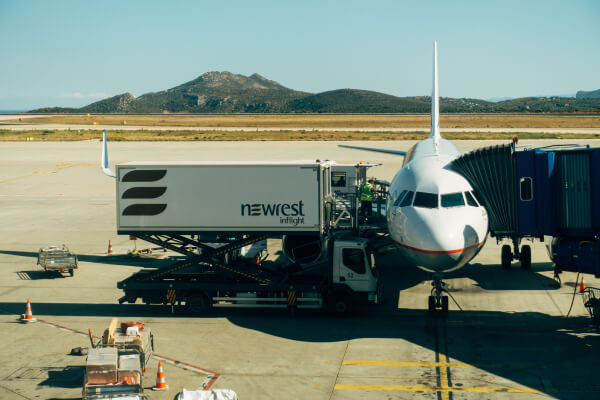
During influenza (such as a flu pandemic), the cost of air cargo transportation may rise significantly. This phenomenon is driven by multiple factors including the imbalance between supply and demand, the increase in operating costs, and policy restrictions. The following is an analysis based on specific causes, impacts and response strategies:
I. The core reasons for the increase in costs
The supply of transportation capacity has decreased
Flight reduction
During the flu season, airlines may cut passenger flights due to a decrease in passengers, and the belly holds of passenger aircraft are an important source of capacity for air cargo (about 50% of global air cargo relies on the belly holds of passenger aircraft). For instance, during the COVID-19 pandemic in 2020, the global passenger flight volume plummeted by 60%, leading to a sharp drop in belly cargo capacity and an expansion of the capacity gap for all-cargo aircraft.
Shortage of crew members
The epidemic has led to the infection or quarantine of pilots, flight attendants and other personnel, forcing airlines to further reduce flight frequencies and exacerbating the tight capacity.
2. Demand surges
Transportation of medical supplies
The demand for medical supplies such as influenza vaccines, antiviral drugs, masks and protective suits has seen explosive growth, occupying a large amount of air transport capacity. For instance, in 2020, the global air freight volume of medical supplies increased by 21% year-on-year, far exceeding the demand for ordinary cargo transportation.
E-commerce shopping transfer
The restrictions on offline shopping have led to a surge in online retail orders (for instance, Amazon's sales increased by 38% in 2020), driving up the demand for air cargo of non-medical supplies such as consumer goods and electronic products.
3. Increased operating costs
Cost of epidemic prevention measures
Airlines need to provide protective equipment for crew members and disinfect the cargo holds. Some routes require the goods to be left to stand for disinfection, which increases operation time and labor costs.
Fuel price fluctuation
Geopolitical conflicts (such as the flu season combined with policy adjustments in oil-exporting countries) may push up fuel prices, and the fuel cost for air cargo usually accounts for 30% to 40%.
Rising compliance costs
Countries have implemented policies such as border control and nucleic acid testing, which have extended the customs clearance process for goods and may result in additional expenses such as detention fees and storage fees.
4. Supply chain reconfiguration
Regionalized transportation demand
To reduce supply chain risks, enterprises have turned to "nearshore outsourcing" or "local production", but some key materials still need to be transported across regions, leading to an increase in short-distance and high-frequency transportation demands and pushing up the unit price of air freight.
Emergency inventory requirements:
Enterprises have increased their safety stocks, stockpiled raw materials and finished products, and further crowded out air cargo space.
Ii. Specific Impact Manifestations
The freight rate has risen sharply
Spot Rate
During the peak flu season, air cargo prices may increase by 50% to 200% compared to usual. For instance, in 2020, the unit price of air cargo from China to Europe soared from 1.5 US dollars per kilogram to 5-8 US dollars per kilogram.
Long-term Contract Rate
Airlines may renegotiate contracts with major clients to raise the annual freight rate benchmark, especially for high-value and time-sensitive goods such as electronic products and fresh produce.
2. Tight cabin space and delayed delivery time
Increased difficulty in booking shipping space:
The priority transportation of medical supplies has led to a shortage of shipping space for general cargo. Enterprises have to reserve shipping space several weeks in advance and even accept "sharing shipping space" or transfer plans.
Unstable transportation timeliness:
Flight cancellations and congestion at transfer airports (such as Hong Kong and Frankfurt airports, which have been delayed due to cargo backlog) may extend the delivery cycle by 3 to 7 days.
3. Changes in industry structure
The proportion of all-cargo aircraft capacity has increased:
During the pandemic, the demand for all-cargo aircraft soared, and airlines accelerated the conversion of passenger aircraft to freighters (for instance, orders for converting Boeing 737 passenger aircraft to freighters increased by 45% from 2020 to 2022).
Intensified competition in emerging markets
Airlines from the Middle East and Southeast Asia are seizing a larger share of international cargo market by virtue of their geographical advantages (such as Emirates' Dubai transit hub).
Iii. Enterprise Response Strategies
Supply chain resilience management
Diversified transportation channels:
Plan in advance multimodal transport solutions such as "air + sea" and "railway + road", for instance, transfer non-urgent goods to the China-Europe Railway Express (with a delivery time of about 12 to 18 days and a cost 70% lower than air transport).
Case: During the flu season, a certain electronic product manufacturer shifted 30% of its European orders from air freight to "sea freight + local European trucks", saving 40% of logistics costs.
Optimize inventory strategy
Adopt the "risk-sharing" model to share inventory data with suppliers and avoid duplicate hoarding.
Utilize AI to predict demand and reduce the proportion of safety stock (such as increasing the inventory turnover rate from 4 times per year to 6 times per year).
2. Transport capacity resources are locked in advance
Sign a long-term agreement
Sign a 1 to 3-year charter agreement with an airline or freight forwarder to lock in the freight rate and cabin space (for example, a cross-border e-commerce company signed an annual charter agreement with Cathay Pacific, with the freight rate 25% lower than the scheduled price).
Bidding through digital platforms:
Compare prices in real time through freight platforms such as Freightos and CargoMetrics, and dynamically adjust booking strategies.
3. Cost Transfer and Insurance coverage
Adjust the pricing strategy:
Pass on part of the logistics costs to customers (such as charging a "pandemic surcharge" for urgent orders), or offset the cost pressure by raising the product prices.
Purchase freight insurance:
Insuring "All Risks" covers the risks of goods delay and damage, especially for high-value goods such as chips and luxury goods.
4. Policy and Compliance Adaptation
Pay attention to import and export policies:
Track the tariffs and quarantine requirements of various countries in real time (such as the CE certification of medical supplies in the European Union and the import license of the US FDA) to avoid customs clearance delays.
Utilize government subsidies:
Apply for logistics subsidies during the epidemic (such as China's financial support for international cargo routes and the transportation enterprise rescue funds under the CARES Act of the United States).
Iv. Future Trends and Long-Term Impacts
The digitalization of air cargo is accelerating
Blockchain technology is applied to electronic waybills (e-AWB) to shorten the document processing time (such as the "Single Electronic Window" program promoted by the International Air Transport Association (IATA)).
The pilot program of drone cargo transportation has been expanded to solve the transportation problems in remote areas (such as Zipline delivering medical supplies by drones in Africa).
The popularization of sustainable aviation fuel (SAF)
Under the pressure of environmental protection, airlines are gradually adopting SAF (made from waste oil, etc.), but its cost is 2 to 3 times higher than that of traditional fuel, which may drive up freight rates in the long term.
Regionalization and localization of the supply chain
Enterprises transferring more production capacity to their home regions or neighboring areas (such as "friendly shore outsourcing") and reducing their reliance on long-distance air cargo may lower the peak demand for capacity in the long term.
Summary
Public health events such as influenza have led to a significant increase in freight costs by impacting the supply of air transport capacity and boosting the demand for emergency transportation. Enterprises need to respond to short-term fluctuations through strategies such as supply chain resilience design, pre-occupation of transportation capacity resources, and cost-sharing mechanisms. At the same time, they should pay attention to the digitalization and regionalization trends of the industry to build a more resilient global logistics network. For consumers, the increase in costs may be indirectly reflected in the rise in commodity prices, but an efficient emergency logistics system will remain the key to ensuring people's livelihood and economic stability.