

detail
home
|
detail

detail
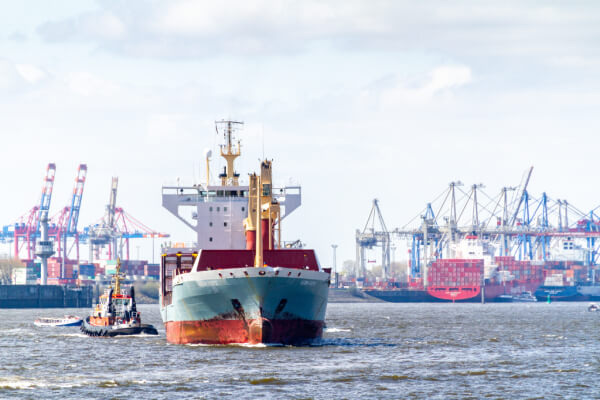
To reduce the cost of international logistics transportation, it is necessary to start from multiple dimensions such as supply chain optimization, transportation strategy selection, and cost control tools, and formulate a comprehensive plan in combination with the characteristics of goods, market environment and policy dynamics. The following are specific suggestions:
I. Optimization of Supply Chain and Transportation Models
1. Select an appropriate combination of transportation methods
Multimodal transport (such as sea-rail intermodal transport, air-land intermodal transport) :
Case: For goods transported from Chengdu, China to Nuremberg, Germany, using the China-Europe Railway Express saves 15 days compared to pure sea transportation, and the cost is 60% lower than air transportation (applicable to goods over 20 tons with medium time requirements).
Advantages: By taking advantage of the cost benefits of different transportation modes (low sea freight, fast railway, and flexible road), it strikes a balance between timeliness and cost.
Consolidation transportation
Small and medium-sized shippers can consolidate their bulk cargo into full containers (FCL) or combine it with other shippers (LCL) to avoid "high freight rates + low loading rates" (for instance, LCL freight rates are 20-30% higher than FCL, but the cost per shipment is lower).
2. Optimize packaging and goods specifications
Lightweight packaging: Replace wooden crates with honeycomb cardboard and degradable materials to reduce volume and weight (for example, when vacuum compression packaging is used for clothing goods, the volume can be reduced by 30-50%).
Standardized dimensions: The goods packaging is adapted to the container specifications (for example, the internal volume of a 20-foot container is 33 cubic meters, and the recommended length, width and height are ≤5.89m×2.35m×2.39m), avoiding space waste (for every 10% reduction in the vacancy rate, the unit cost drops by 5-8%).
3. Plan off-peak and peak season strategies in advance
Off-season booking: During the off-season of transportation (such as July-August and December each year), sign long-term agreements with shipping companies/airlines to lock in low freight rates (usually 20-40% lower than during the peak season).
Off-peak shipping: Avoid transportation peaks such as "Black Friday" in Europe and America (November) and the Chinese Spring Festival (January-February), and choose to ship 1-2 months before or after the festival. This can reduce freight charges by 15-30%.
Ii. Supplier Management and Cost Negotiation
1. Multi-channel price comparison and long-term cooperation
At the same time, consult 3 to 5 logistics providers: Compare different options such as sea transportation, rail transportation, and air transportation (such as DHL, COSCO Shipping, DB Schenker, etc.), and use competitive bargaining (usually 10-15% can be reduced after price comparison).
Sign an annual framework agreement: Commit to a minimum cargo volume (such as 50 containers per month), in exchange for freight discounts (usually 5-10% rebates) and priority shipping space guarantees.
2. Split the process and manage some of the procedures independently
Segmented procurement service: Split transportation into "domestic trucking + sea freight + destination port customs clearance + overseas distribution", and select suppliers with lower costs respectively (for example, entrusting local agents for destination port customs clearance can save 20% compared to entrusting the entire process to international freight forwarders).
Handle customs clearance documents independently: Be familiar with the customs rules of the destination country (such as the ISF declaration of the United States and the EORI number of the European Union), and avoid fines due to document errors (for example, the fine for incorrect declaration by the US customs can reach 500 to 5,000 US dollars per document).
Iii. Utilize policy and technological tools
Enjoy tariff preferences and compliance dividends
Free Trade Agreement (FTA) : Utilize agreements such as RCEP and USMCA to reduce tariffs (for example, textiles exported from China to ASEAN can be exempted from tariffs by 5-10% with the FORM E certificate of origin, indirectly reducing logistics costs).
Temporary Import: For goods entering the country temporarily for exhibitions, maintenance, etc., apply for ATA carnet exemption from customs duties and value-added tax (saving about 20-30% of the value of the goods).
2. Digital Tools and data-driven approaches
Logistics Management System (TMS) : Real-time tracking of goods and optimization of routes (such as using Cargowise and ShipBob systems, reducing manual scheduling errors and increasing efficiency by 15-20%).
AI freight rate prediction: Analyze the market supply and demand through platforms such as Google Trends and Panjiva, and predict the freight rate trend in advance (for example, lock in the shipping space one month before the price increase during the peak season to save 20% of the cost).
Iv. Risk Management and Cost Hedging
Take out insurance reasonably to avoid additional losses
Choose "All Risks Insurance" instead of "Accident Insurance" : It covers natural disasters and accidents during transportation (such as goods falling into water, fire). The premium is only 0.3-0.5% higher than that of accident insurance, but the coverage is broader.
Set a deductible: Agree on a deductible with the insurance company (such as $500) to reduce premium expenses (for every $1,000 increase in the deductible, the premium decreases by 10-15%).
2. Exchange rate hedging against fuel costs
Locked exchange rate: Through the bank, handle forward foreign exchange settlement and sales, and fix the RMB cost of the US dollar freight (for example, if the freight is expected to be paid at 100,000 US dollars in three months, locking the exchange rate in advance can avoid the loss of RMB depreciation).
Pay attention to the fuel surcharge (BAF) clause: Stipulate in the contract the "upper and lower limits of BAF adjusted with the fluctuation of oil prices" (for example, stipulate that BAF does not exceed 30% of the basic freight) to control the risk of fuel costs.
V. Regionalization and Nearshore Outsourcing Strategies
Establish an Overseas Warehouse
Advantages: Goods are transported to the destination country's warehouse in advance. After receiving the order, local delivery is carried out (for example, the delivery cost from the overseas warehouse in the United States is 50% lower than that from direct shipping in China, and the delivery time is shortened from 15 days to 1-3 days).
Applicable scenarios: E-commerce sellers, products with high repeat purchase rates (such as furniture, 3C accessories), can reduce the first leg freight and tariffs (for dispersed batch imports, a low single item value can enjoy tax exemption quotas).
2. Nearshore production and supply chain transfer
Transfer the production line to the vicinity of the target market (for example, Chinese enterprises set up factories in Mexico and export to the United States through the USMCA, which is duty-free and reduces logistics costs by 40%).
Case: Clothing produced by a Vietnamese contract manufacturer is exported to China via RCEP, with a 5% tariff reduction. Meanwhile, the sea transportation distance is 20% shorter than that from other Southeast Asian countries.
Vi. Cost Control Skills in Special Scenarios
Transportation of dangerous goods and oversized items
Compliance simplification: Provide the MSDS (Chemical Safety Data Sheet) to the freight forwarder in advance to avoid returns due to incomplete documents (the cost of returns is usually 2 to 3 times that of normal transportation).
Disassembled transportation: Oversized items are disassembled into components (such as mechanical equipment being divided into parts), and transported under the name of general cargo to avoid special equipment surcharges (which can save 30-50% of costs).
2. Deal with port congestion and delays
Choose alternative ports: For goods bound for the west coast of the United States, both the Port of Los Angeles and the Port of Oakland can be booked simultaneously to avoid delays caused by congestion at a single port (the booking fee at alternative ports increases by 5-10%, but it can reduce the risk of port detention).
Purchase delay insurance: For time-sensitive goods (such as fresh produce and promotional items), purchase "delay insurance" (with a rate of approximately 2-3% of the shipping fee). If the delay exceeds 7 days, 50% of the shipping fee will be compensated.
Summary: Implementation path for Cost reduction
The first step: Analyze the existing logistics cost structure (such as sea transportation accounting for 60%, customs clearance accounting for 20%, and insurance accounting for 5%), and identify high-cost links (for example, the freight rate of a certain route is 15% higher than the market average).
Step 2: Pilot the optimization plan (such as changing 20% of the goods from air transport to sea-rail intermodal transport), and compare the changes in cost and timeliness (reduce the target cost by more than 10%, and control the timeliness loss within 5 days).
Step 3: Establish a long-term monitoring mechanism (analyze monthly freight rate fluctuations and supplier KPIs), and dynamically adjust strategies (such as switching fuel surcharge terms based on oil price trends).